
For pet owners in Flemington, NJ, the changing seasons bring plenty of outdoor fun, but they also bring a persistent hidden threat: mosquitoes. While many view these insects as a mere nuisance, they are the sole biological vector for heartworm disease, a serious and potentially fatal condition that affects dogs, cats, and even ferrets. At Paw Prints Veterinary Hospital, Dr. Christine Spodnick, VMD, and Dr. Maryann Quartararo-Milford, VMD, are dedicated to helping you protect your pets through education and proactive care.
How Heartworm Disease Spreads
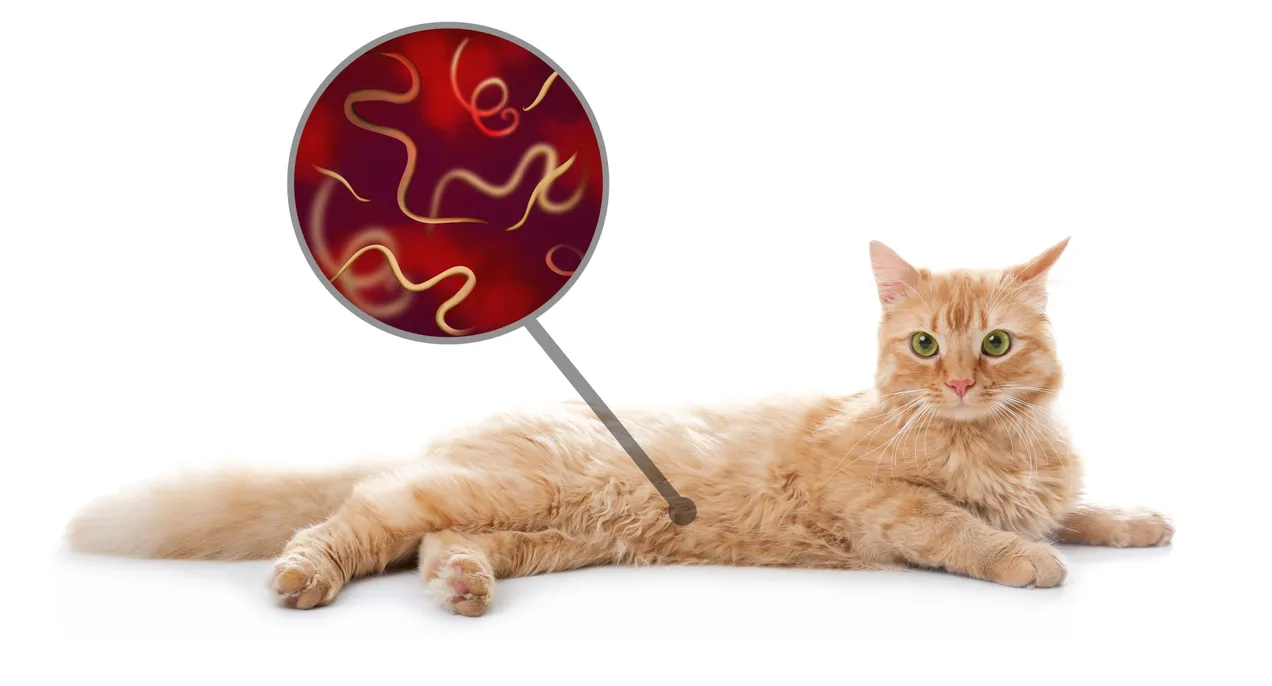
The process begins when a mosquito bites an infected animal and picks up microscopic baby worms called microfilariae. When that mosquito later bites your pet, it deposits the larvae. Over the course of six to seven months, these larvae migrate through the body and mature into adult worms that live in the heart, lungs, and associated blood vessels. Adult worms can grow up to 12 inches long and cause lasting damage to these vital organs.
The Challenge of Diagnosis
One of the most dangerous aspects of this disease is that, in its early stages, there are often no symptoms. As the disease progresses, you may notice:
- A persistent, mild cough
- Reluctance to exercise or fatigue after moderate activity
- Decreased appetite and weight loss
- Labored breathing or a swollen abdomen in advanced stages
Because symptoms appear so late, yearly blood testing is essential. We perform these screenings to catch the disease before physical damage becomes irreversible.
Prevention vs. Heartworm Treatment
The most important thing to understand about heartworm is that it is almost 100% preventable, but difficult and expensive to treat.
- Prevention: Modern preventatives come in easy-to-administer monthly chews or topicals. These medications work by eliminating the immature larvae before they can mature into adults. It is much easier on your pet’s body, and your wallet, to prevent the infection than to cure it.
- Heartworm Treatment: If a dog tests positive, we must begin a rigorous and carefully monitored heartworm treatment protocol. This usually involves several months of activity restriction and a series of injections designed to kill the adult worms. For cats, there is currently no safe clinical heartworm treatment, making prevention their only line of defense.
Your Partners in Protection
If you are searching for heartworm treatment near you or looking to start a solid preventative plan, our team at Paw Prints Veterinary Hospital is here to help. We live and work in the same environment as your pets, and we understand the local risks here in Flemington, NJ. Schedule an appointment with a veterinarian near you by calling (908) 824-7606, and help your pet stay ahead of heartworm.